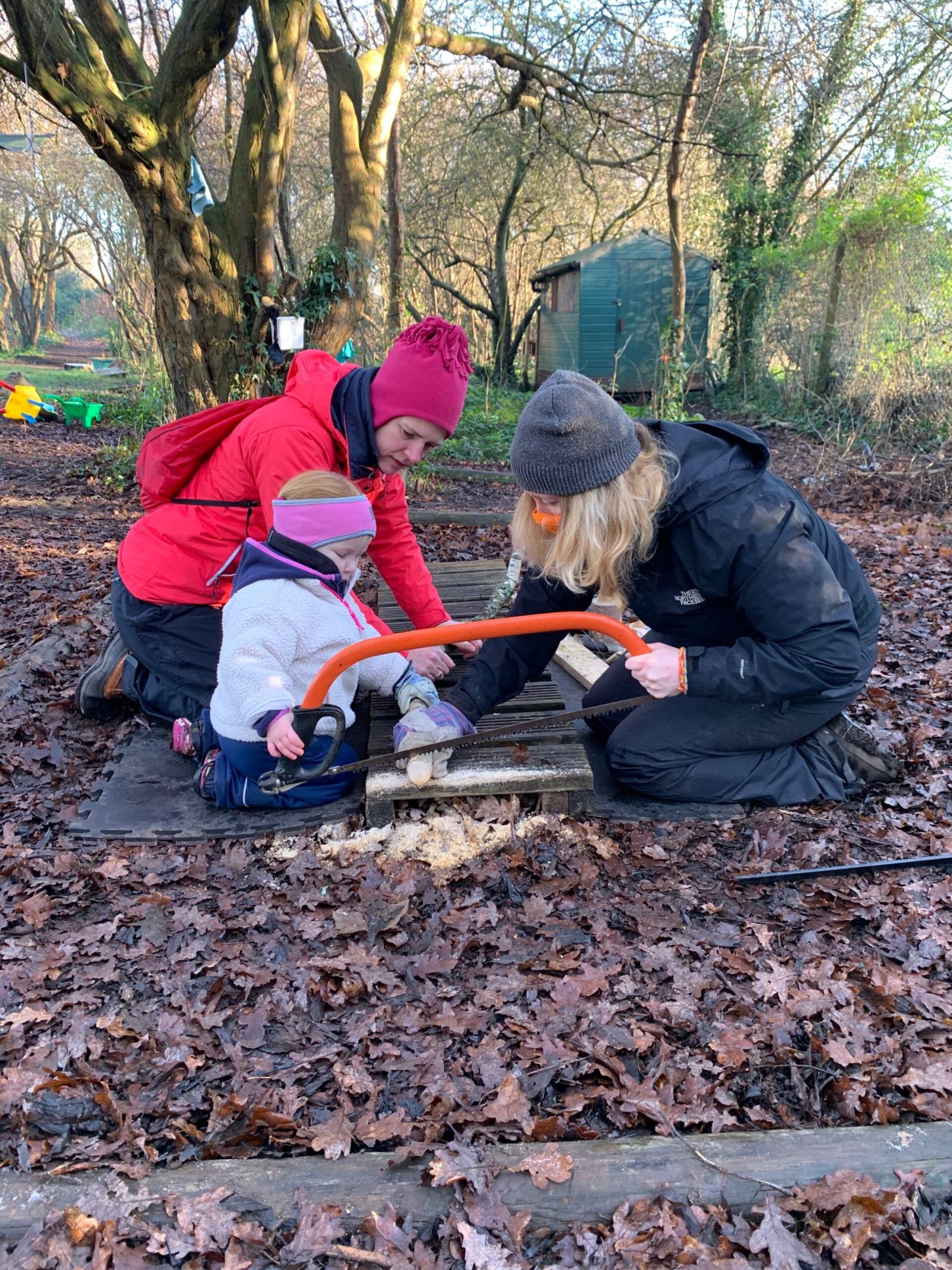
Children’s Behaviours at Social Gatherings.
Not long before Lily’s third birthday party a lovely lady, Agata, reached out to me to tell me that she loved all the great ideas and advice on my blog and would I mind if she put a link to my blog on her website. Agata coaches parents on Positive Discipline and also provides them with other useful parental resources to help manage kids’ behaviours.
When Agata started to tell me a little more about what Positive Discipline was all about, it dawned on me that some of the ideas and tools that she was explaining to me could be really useful when throwing a kids party. Put simply, Positive Discipline is an effective way of encouraging children’s collaboration, based on teaching children essential values, social and life skills. When kids misbehave, it is their way of trying to communicate with us and Agata shared with me lots of tips to help parents to manage their children (mostly aimed at children aged 1-5 years) in a social environment, such as a party.
So if you are feeling a bit anxious about going to a party with your little one or about hosting a party for lots of your child’s friends, then this could be the blog post for you!
Before the Party
In order for kids to buy into the plans for the party and to collaborate, it is important that they are aware of them ahead of time. If you are the party organiser, it’s a great idea if you can share an agenda for the party ahead of time so that parents can communicate this to their kids a day or two before the party and again on the day of the party.
Giving your child the chance to make choices of their own will build their self-esteem and will encourage buy-in and collaboration. So, for the party, let them choose what they are going to wear and also be responsible for handing the birthday present over to the birthday child. Perhaps they could even have a hand in choosing the birthday gift or making the birthday card.

At The Party
As the party organiser, it’s important to communicate the agenda for the party at the beginning of the party. Every time a party activity is completed, bring the kids back to the agenda to remind them what is coming next. Outline a few guidelines so that the kids are aware of your expectations for the party and focus on what the kids can do to achieve these, rather than what they shouldn’t do. After an activity (even tidying up), thank all the children for their participation and praise their efforts. If the children feel they are being helpful, they are less likely to misbehave. One of the most effective ways to get children to cooperate is to model the behaviour. If you want to encourage children to play together, then sit on the floor and play with them. If you want them to sit nicely at the table, then sit at the table with them. The kids will be so excited at the party, so make sure you repeat everything, as they are likely not to remember it the first time!
Children are very likely to misbehave if they become tired or hungry, so it’s good to have some healthy snacks available.

When a Child Doesn’t Want to Participate
Parties can be very overwhelming, so if a child doesn’t want to participate then it’s good to acknowledge this, tell them it’s ok and that they can join in whenever they are ready to. Then give them a few options to choose from, such as; you can sit here with mummy until you are ready to join in, or you can play with the toys over there, or mummy can come with you to play with the toys or do this craft activity etc. Let them know it’s their decision and mummy will be here for as long as they need.
Remember to acknowledge and praise the children when they are playing together well or sitting at the table nicely. This positive reinforcement will further encourage them to behave nicely.
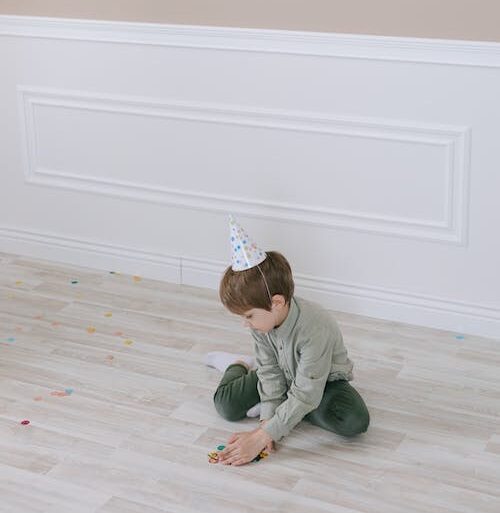
Conflict Between Children
If any of the children start to squabble, try to give them a little time to sort it out themselves, but be ready to step in if required. When you intervene; be calm and firm, with no shouting, blaming or shaming. Help the children to come up with some ideas on how to resolve their squabble and find a solution that everyone can agree on.

Unwanted Behaviours
All children have their moments and it can often be triggered when we stop them from doing something that they enjoy. As the party organiser, if you have communicated the agenda in advance and you regularly give the kids some notice of what is going to happen and when, this should help to alleviate any tantrums. If you are going to need to make changes to the agenda, then give the children as much notice as possible.
If your child get’s upset, then acknowledge this to validate their feelings and then find a way to redirect them to another activity. Use positive language and give them positive things to do rather than telling them not to do something
If a tantrum persists, follow through with a consequence, not a punishment. A consequence can be a different activity or a changed environment. The key is to stay positive and kind, then firmly and gently remove the child from the situation by suggesting an alternative activity and once they feel better we will come back and try again.

When The Party is About to Finish
Encourage the children to help to clean up at the end of the party. This will help to prepare them for the departure, it will also make them feel good about themselves by being able to contribute to the group.
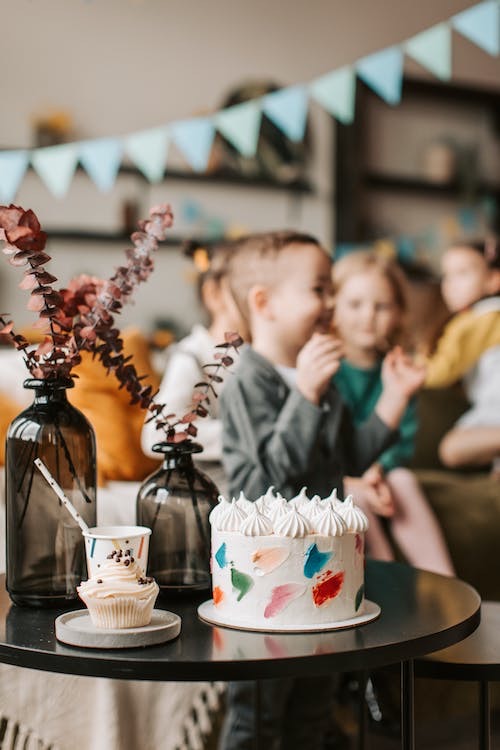
If Your Child Doesn’t Want to Leave The Party
Rather than insisting it is time to go home, try to find a game or a task to get them to the car. For example, you could ask them to get to the car by hopping like a bunny, or crawling like a bear. Or, perhaps they would like to take their party bag to the car so they can see what’s in it, or ask them what we can do to help everyone else get ready to go home, or ask them to time 2 mins on your phone in which time you have to say goodbye to all the mums and at the end of the 2 mins, gently (and silently) take them by the hand and lead them to the car. When they refuse and pull against you, ease up and let your arm go slack. They will stop pulling when you stop. Then gently pull towards the car until they resist again. Repeat, stop pulling, let your arm go slack. Don’t say a word, with kind and firm body language.
The key takeaway for me was, as the party organiser, the importance of communicating the agenda for the party ahead of time. As parents we all talk to our children about what we are going to be doing and preparing them for what is ahead. So, communicating about the party is just the same. It’s such a simple idea, which could be so effective in setting expectations and ensuring smooth sailing.
I hope you find some of this useful, I’d love to hear how you get on. If you want to find out more about Positive Discipline, you can take a look at Agatha’s webpage Family Date. If you are ready to start planning your party then check out my Children’s Party Planning Checklist.